
Land vs. Buildings: Where Is the Real Value on a Rural Property?
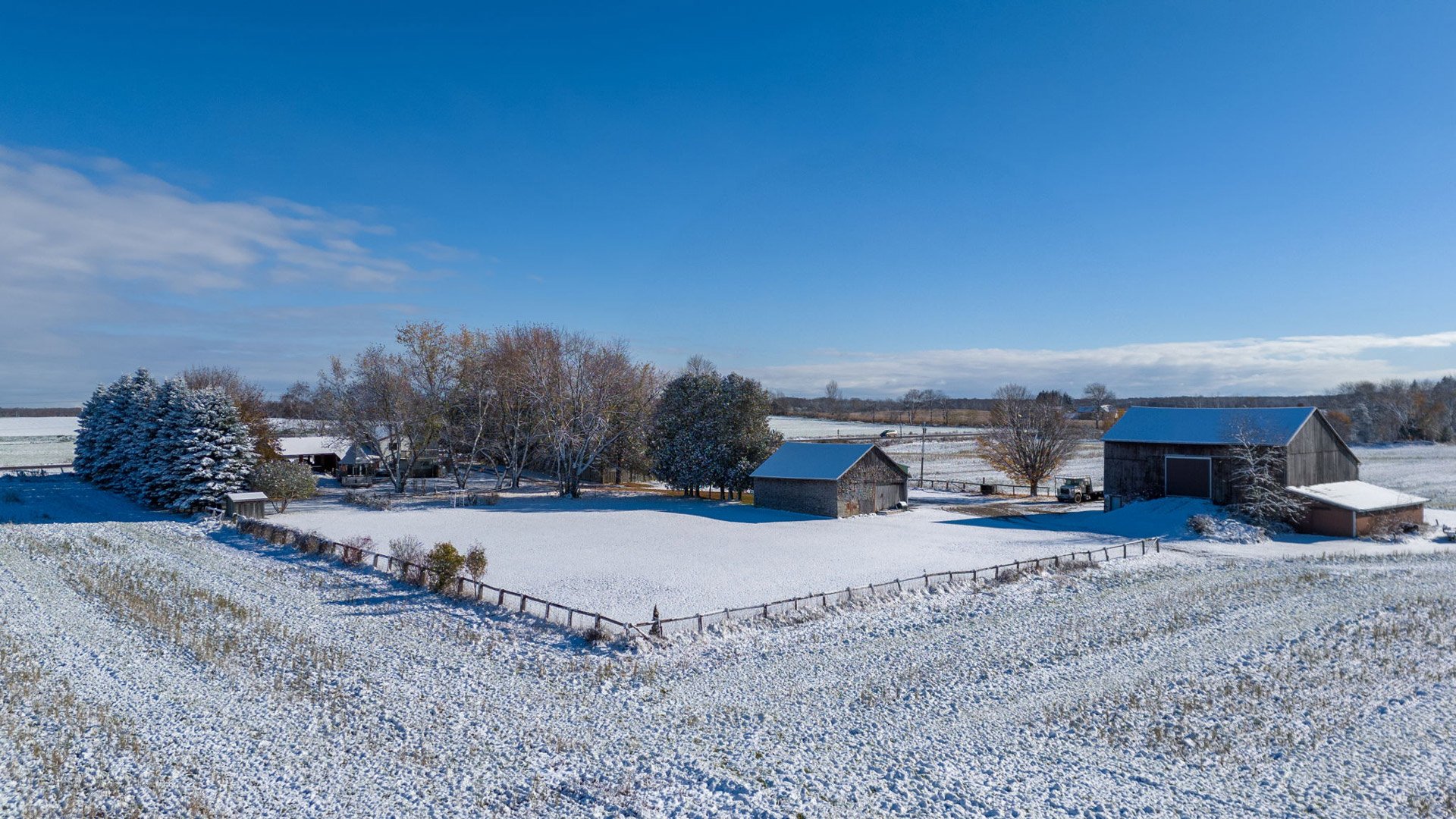
Minto, ON Old barns
When buyers begin searching for a rural property whether it’s a farm, hobby farm, or country home, it’s almost always the land that captures their attention first.
The space.
The privacy.
The potential.
But as the process unfolds, a more practical question starts to take shape:
Where does the real value actually lie; in the land, or in the buildings?
Understanding how buyers answer that question can make a meaningful difference when it comes time to sell.
Is the Land or the Buildings More Valuable on a Farm Property?
In many rural properties, especially those with workable acreage, the land is often the primary driver of value.
That doesn’t mean buildings don’t matter but they are usually considered after the land meets a buyer’s needs.
For sellers, this is an important mindset shift.
A property isn’t always valued as a whole in equal parts.
Instead, buyers tend to prioritize what supports their long-term goals and in rural real estate, that often starts with the land.
Why Does Land Often Drive the Value of Rural Properties?
Buyers looking at farmland or hobby farms are typically focused on:
Workable acres
Soil quality and drainage
Field layout and accessibility
Long-term agricultural or lifestyle potential
In areas across Midwestern Ontario, where agriculture remains a strong foundation of the local economy and lifestyle, land represents both opportunity and sustainability.
For many buyers, the question is simple:
Will this land work for what I want to do?
If the answer is yes, the property immediately becomes more compelling regardless of the condition of the buildings.
Do Older Farmhouses Add Value or Create Challenges?
Farmhouses, especially older or century homes, often bring character and charm that buyers are drawn to.
But they also come with considerations such as:
Outdated systems
Structural aging
Ongoing maintenance requirements
For some buyers, this represents an opportunity to restore or personalize a home.
For others, it can feel like an added layer of complexity.
From a value perspective, the home can:
Enhance emotional connection
Or create hesitation if updates feel overwhelming
This is where condition, transparency, and realistic expectations all play a role.
Do Old Barns Increase Property Value or Cost You Buyers?
Barns are one of the most recognizable features of rural properties and often one of the most misunderstood when it comes to value.
Buyers typically view barns in one of three ways:
Functional and usable
Repurposable with investment
Not practical to restore
While a well-maintained barn can absolutely add value, many older structures require significant work:
Structural reinforcement
Roofing and foundation repairs
Ongoing upkeep
As a result, some buyers see barns as an asset,
while others factor them in as a future expense.
How Do Buyers Evaluate Land vs. Buildings?
Buyers don’t assess these elements separately, they look at the full picture:
Does the land meet my needs?
What will it take to make the home livable?
Are the outbuildings useful or additional responsibility?
In many cases:
👉 The land establishes the value
👉 The buildings influence the final decision
This balance is what ultimately shapes buyer interest, timelines, and pricing expectations.
Should You Renovate Rural Buildings Before Selling?
This is one of the most common questions rural sellers ask and the answer is rarely one-size-fits-all.
In some cases, small improvements can:
Increase buyer confidence
Make the property more accessible
But larger renovations, especially on older homes or barns, don’t always result in a full return on investment.
Many rural buyers expect some level of work.
What matters most is:
Clear presentation
Honest communication
Pricing that reflects condition and opportunity
Sometimes, selling as-is while highlighting the strength of the land is the most practical approach.
What Should Sellers Focus on When Listing a Farm or Hobby Farm?
If you’re preparing to sell, clarity is your greatest advantage.
Focus on:
Understanding where your property’s value truly lies
Positioning it honestly for the right buyer
Highlighting strengths (especially land usability and potential)
Rural properties are unique, and the right buyer is often looking for something very specific.
When expectations are aligned from the beginning, the process becomes smoother and more successful.
Final Thoughts:
Selling a rural property isn’t just about marketing, it’s about understanding how buyers think.
When you can clearly see:
The role the land plays
The impact of the buildings
And how they work together
You can make more confident decisions about pricing, preparation, and timing.
Because the right buyer isn’t just looking for a property, they’re looking for something that fits their life.
Common Questions About Land vs. Buildings
Is land more valuable than buildings on a farm?
In many cases, yes, especially when the land is workable and supports agricultural or lifestyle goals. The land often drives the majority of the value.
Do old barns add value to rural properties?
It depends on their condition. Functional barns can add value, but those requiring major repairs may be viewed as a cost rather than an asset.
Should I renovate my farmhouse before selling?
Not always. Smaller improvements can help, but large renovations don’t always provide a full return. Many buyers expect to make their own updates.
What do buyers look for most in a rural property?
Buyers typically prioritize land quality, usability, and long-term potential first, then evaluate the home and outbuildings.
How do I know what my rural property is really worth?
Each property is unique. A proper evaluation considers land, buildings, location, and current market conditions not just comparable sales.
💬 Thinking About Selling?
If you’re starting to think about your next step, having a clear understanding of your property’s strengths can make all the difference.
I’m always happy to walk through that with you, so you can move forward with confidence.